

Solutions Vehicle checks
Vehicle checks that actually get done.
Daily walkaround inspections in the driver app: guided checklist, photos on defects, timestamped records. No paper, no "I’ll do it later".
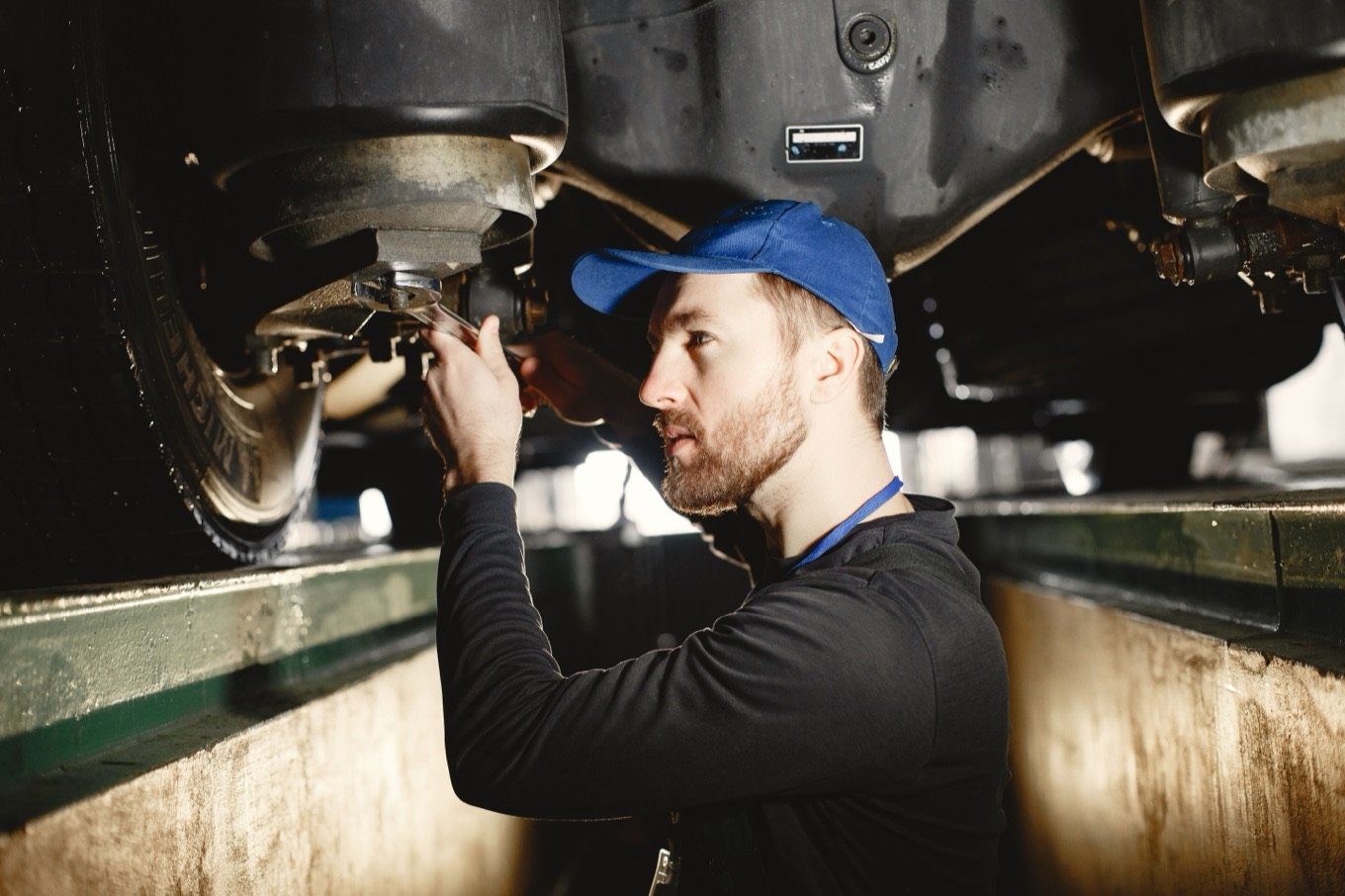

Built around UK compliance reality.
Daily walkaround checks are a legal duty for commercial vehicles in the UK, and DVSA expects records that prove they happened. Digital checks give you the trail without the paper chase.
More on records and reports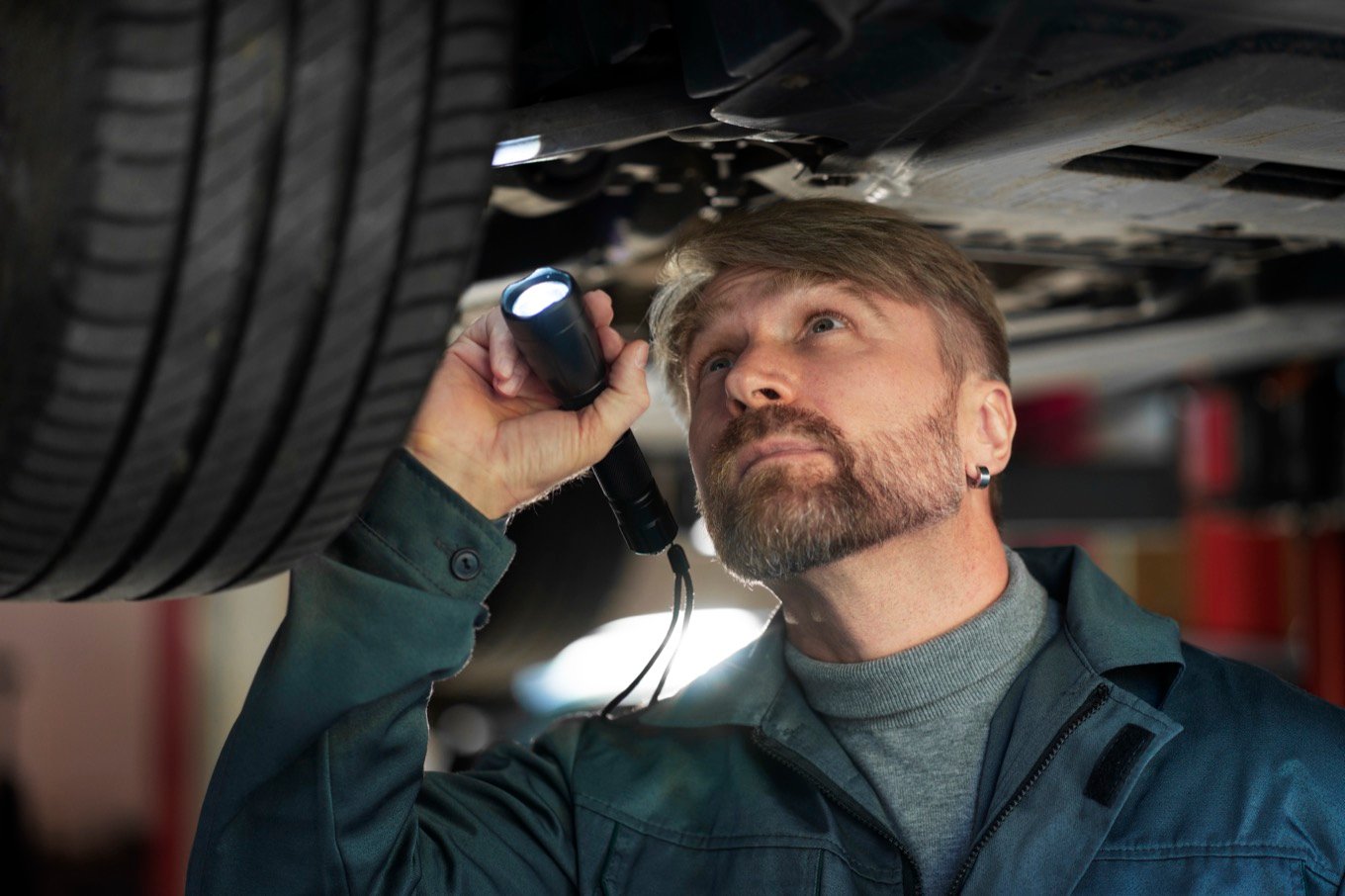
Defect to repair, one thread.
A defect logged at 6:40 is in the workshop queue at 6:41, with photos. Repairs close against the defect, and the vehicle’s file tells the whole story.
See all fleet features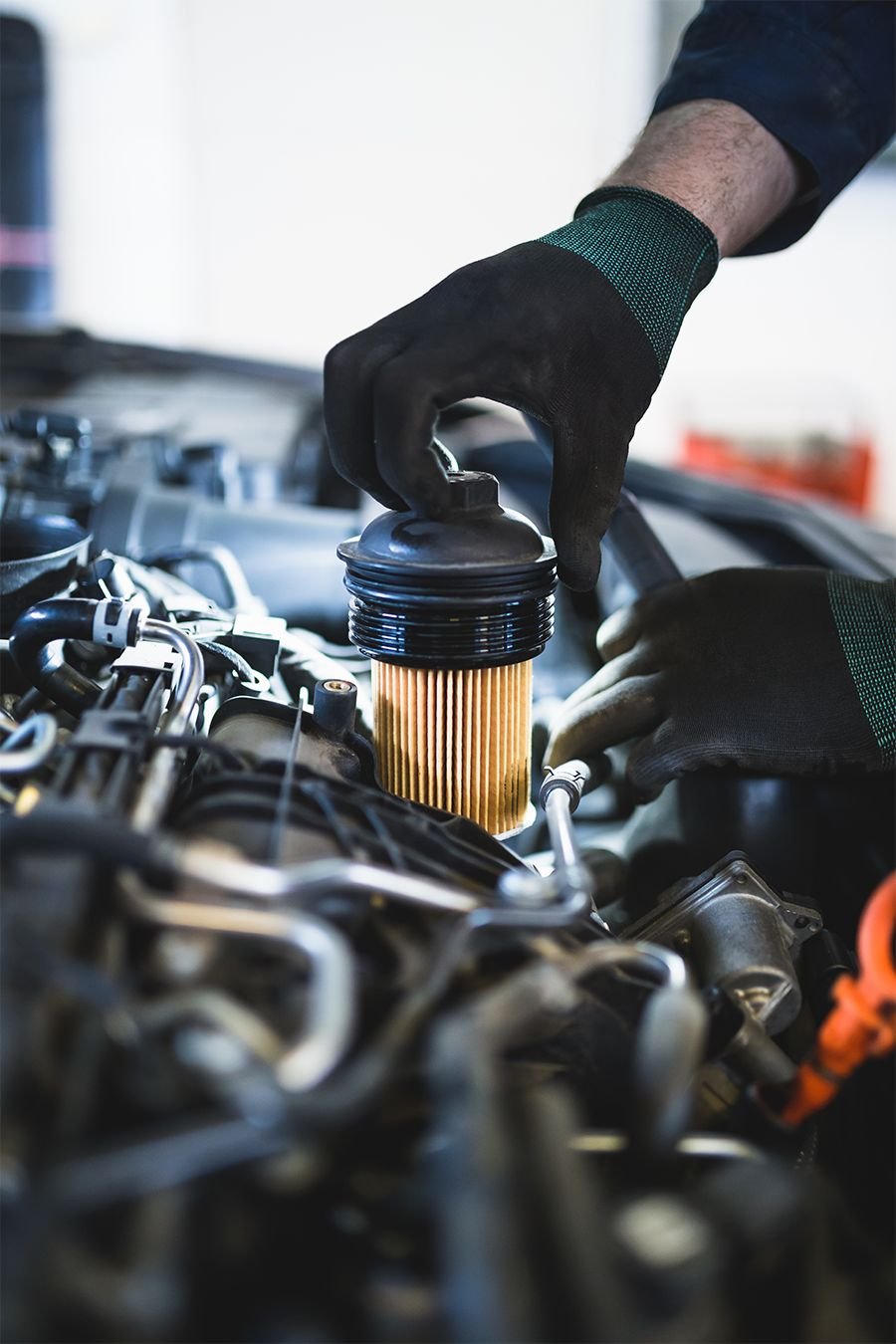
From walkaround to workshop.
- Step 1
Driver starts the shift
Guided checklist in the app, item by item around the vehicle.
- Step 2
Defect found
Photo and note attached; severity marked. The check continues.
- Step 3
The record lands
Check results are stored against the vehicle with time and location.
- Step 4
Workshop takes over
Defects queue for repair; the vehicle’s history stays in one place.
What digital checks put right.
Checks happen every day
The walkaround is part of starting the shift in the app, not a separate sheet to forget.
Defects carry evidence
Photo, note, time and location on every defect. The workshop sees exactly what the driver saw.
Audit-ready records
Every check is stored, timestamped and searchable. An inspection request is an export, not an archaeology project.
Unroadworthy vehicles stay parked
Failed checks flag the vehicle immediately, before it is loaded and gone.
Why digital walkaround checks beat paper.
A daily walkaround check is the driver’s inspection of the vehicle before it goes out: tyres, lights, brakes, load security, and everything else that decides whether the vehicle is safe and legal. In the UK, operators of commercial vehicles are expected to have these checks done and to keep records that prove it.
Paper checklists have two failure modes. They get pencil-whipped: ticked in the cab in ten seconds without a walk. And they get lost: the one sheet that matters is the one missing when an incident or an inspection asks for it.
Digital checks fix both. The app guides the driver item by item, defects require a photo, and every check is timestamped and stored automatically. The record exists because the work happened, not because someone filed a form afterwards.
In MLogTech, checks are part of the same system as routes and deliveries, so a defect does not end in a drawer: it queues for the workshop, and the vehicle’s compliance history lives next to its operational history.
Make the walkaround a habit, not a hope.
Included in the driver app, with no driver minimum.
- From login to a published route in under a minute
- Import orders from CSV or API
- Per-driver or per-order pricing
Common questions
Are digital vehicle checks accepted for compliance?
Yes. What matters is that checks are actually carried out and that you can produce reliable records of them. Digital records with timestamps, photos and driver identity are strong evidence of both.
Can I customise the checklist?
Checklists can be tailored to vehicle type, so a van, a 7.5-tonner and a trailer each get the right items.
What happens when a defect is found?
The driver logs it with a photo and severity. It flags the vehicle, notifies the right people and enters the defect queue for repair.
Do checks work offline?
Yes. Depot yards often have poor signal; checks are captured offline and sync automatically.
Can I see check history per vehicle?
Yes. Every vehicle has a searchable history of checks, defects and repairs, exportable when an audit asks for it.